Table Of Content
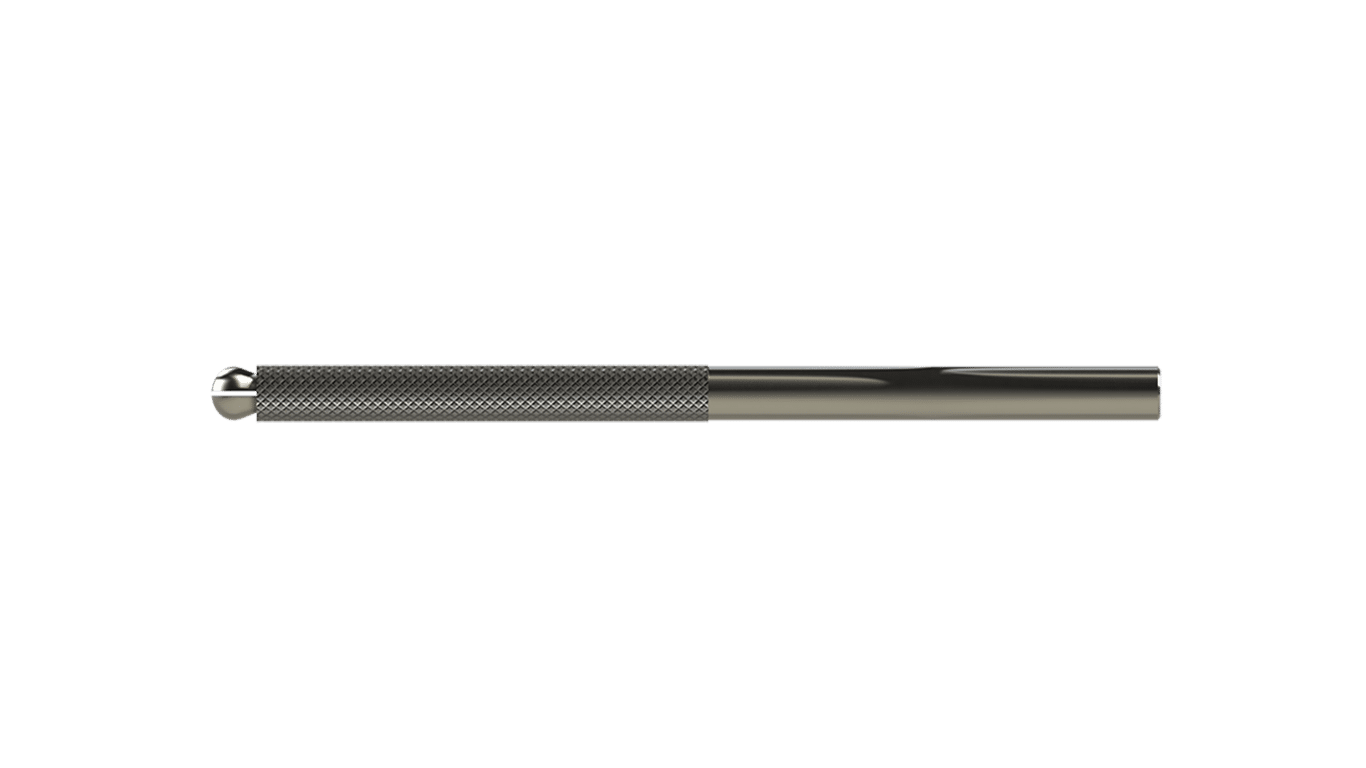
Stainless steel with a minimum of 12% chromium has excellent durability and resistance to corrosion. Also, stainless steel knife handles can be very slippery, so manufacturers have to incorporate etching or ridges to provide the needed friction. Stag knife handles are made from deer horns that have naturally fallen off. The stag texture provides fantastic grip, and these handles are great for outdoor wearing. Since it's so popular today, you can find it on many knives from the less to the very expensive. Select a suitable handle material based on your preferences and the knife’s purpose.
Step 5: Give Finishing Touches
This step will ensure precision and guide you as you shape the handle. It also includes a couple of useful videos that show you how it’s done, helping you level-up your knife-making abilities. Good design evolves over time and your knife designs will evolve as you gain experience and knowledge. As a golden rule, the one thing you don’t want to do is design features that disrupt the flow of the lines that define the knife shape. As long as you’re following that rule, the rest will come with time and you’ll eventually develop your own unique style. Additionally, bone and horn’s inherent beauty may make your knife handle stand out.
Wood & Bone
The method of attachment will depend on the type of blade and handle material you are working with. Consider the purpose and style of your knife when selecting the handle material. If it’s for a kitchen knife, you may prefer a moisture-resistant material like synthetic or stabilized wood.
How to Make Knife Handles: A Step-by-Step Guide

To get a grip on the most common substances used in the everyday carry world, we’ve put together the following complete guide to knife handle materials. Bead blasting, stippling and checkering can improve the "grip" of a handle. But, the customer must be willing to pay for the time required for the extra handle work. Checkering and stippling can be very attractive when added in panels on the handle. However, these techniques are time consuming and add to the cost of the knife.
Handles for Knives: A Comprehensive Guide by a Master Blacksmith
Harder woods don’t generally require stabilization whereas softer woods and burls do. The bare metal is also susceptible to extremes of heat and cold that can make using the tool uncomfortable to use without gloves.

The added weight makes it unsuitable for heavy-duty knives, but stainless steel can add a beautiful touch to decorative knives. When you design a knife, your initial focus will probably be on the blade. (If you need some tips, we’ve written a detailed guide to developing a blade shape.) However, handle design is equally important to the finished product. By following these steps and infusing your own creativity and flair, you can create a one-of-a-kind knife handle that reflects your style and craftsmanship.
Stainless Steel
If you have lots of time and patience, you can make a knife handle from newspaper. The technique involves placing layers of paper one over the other and sticking them together, as this video demonstrates. It’s a great idea, and one that should give you a lot of satisfaction to complete – and the handle he produces in the video looks stunning.
Meet the Woman Behind Some of the Coolest Knives Money Can Buy - Gear Patrol
Meet the Woman Behind Some of the Coolest Knives Money Can Buy.
Posted: Sat, 17 Feb 2024 08:00:00 GMT [source]
Step 1: Select A Replacement Handle
Aluminum is durable, low-density and has the right amount of texture for a firm handle grip, so it’s ideal for a knife you plan on using a lot. On the downside, aluminum gets extra-chilly during the cold months, so it’s not the best option for winter use. Stainless steel is durable and corrosion-resistant, but it’s heavy and can be slippery, which is why pro knifemakers add ridges or edging to get the friction needed for a secure hold.
Whether you are looking for medieval or castle style door pulls, art nouveau, craftsman, or any other style of your choice, we can build it for you. Exclusively, hand forged by our master blacksmiths in America, using hammer, anvil and coal fired forge. We do not make prefabricated, fast process, hollow steel, powered coated, or faux painted products. If you’re forging your own knife from blade steel, you need the right tools and equipment.
However, wood needs upkeep since it is prone to warping and breaking in harsh weather. Therefore, it’s crucial to consider the weather and use patterns when selecting a knife with a wooden handle. It is amazing how much difference a handle can make in the balance and feel of a knife.
Once you gather these materials, you’ll be fully equipped to begin the process of creating your own unique knife handle. Remember to prioritize safety and take the necessary precautions throughout the entire process. Learn how to craft a unique and durable knife handle using only hand tools. Our step-by-step articles will guide you through the process with ease. Recurve blades have a large belly that tapers toward the handle to form an S shape. In addition to being a standalone blade shape, recurves appear on styles like drop point and clip point.


No comments:
Post a Comment