Table Of Content

Your health care provider is likely to diagnose ingrown hair by looking at your skin and asking about your hair removal habits. Taking measures to prevent ingrown hairs and treating any infections promptly can help prevent these. The first sign of an infected ingrown hair is often a bump. As the infection progresses, you may see pus, and the bump may grow larger. An infected ingrown hair happens when a hair is blocked from leaving the skin or newly emerged hair curls back into the skin, and the follicle becomes infected. Ultimately, the same rules apply no matter where the ingrown hair is.
How are ingrown hairs treated?
These unsightly bumps can be an annoying side effect of hair removal. The good news is ingrown hairs can be treated effectively at home. Ingrown hairs cause bumps, which are often itchy, where a hair has grown back into the skin. There are things you can do to treat and prevent them and in most cases you will not need to a see a GP for treatment.
How to Get Rid of Gas Naturally (Plus Symptoms, Causes & Prevention)
"Going against the grain may allow for a closer shave, but the closer the shave, the easier it is for your hair to curl back into your skin," says Dr. Frieling. And when you do shave, make sure the blade you're using is fresh and sharp; the duller the blade, the more you're scraping the skin, upping the likelihood of irritation and ingrowns, she adds. If you can't go that long without removing your hair and other self-care techniques aren't helping, your health care provider might recommend medications, laser-assisted hair removal or both. People with coarse, thick, or curly hair are often more likely to have ingrown hairs.
How to Remove Deep Ingrown Hairs
WH spoke to Dr Ioannis Liakas, Medical Director at Vie Aesthetics, who revealed his top tips for dealing with pesky ingrown hairs for good. You’re also more likely to have ingrown hair if you have skin of color or thick, coarse or curly hair. One very useful product is adapalene gel, an over-the-counter retinoid medication. This medication can be applied to areas with ingrown hairs to help gently exfoliate until the ingrown hair appears at the surface of your skin.
Ingrown hairs are breeding grounds for a staph infection, and sometimes staph can be quite serious. This may help coax the hair up and out through the skin if you can see the hair and if it’s very close to the surface, says Dr. Weschler. If your infection is mild or infrequent, you may be able to use home remedies. If infections recur or are severe, you may need medical treatment. 'Ingrown hairs can be itchy and cause irritation to the skin.
Do I need to go to the doctor for ingrown hairs?
They can if they become inflamed/infected and you pick at them. Inflammation, itching, and redness are just some of the problems that come with ingrown hairs. Our expert offers some tips for treating—and preventing—this irritating skin condition.
Make sure you always use some sort of lubrication (like a shaving cream or gel) too, which also softens hair and prevents irritation. No matter your hair removal method, exfoliating regularly is a surefire way to help prevent dead skin cells from blocking the hair follicles, says Dr. Icecreamwala. Swipe-on pads make daily exfoliation easier and faster than ever. Try SweetSpot Labs Buff & Brighten Body Exfoliating Pads ($30; ulta.com), which work well on the bikini area, legs, and underarms.
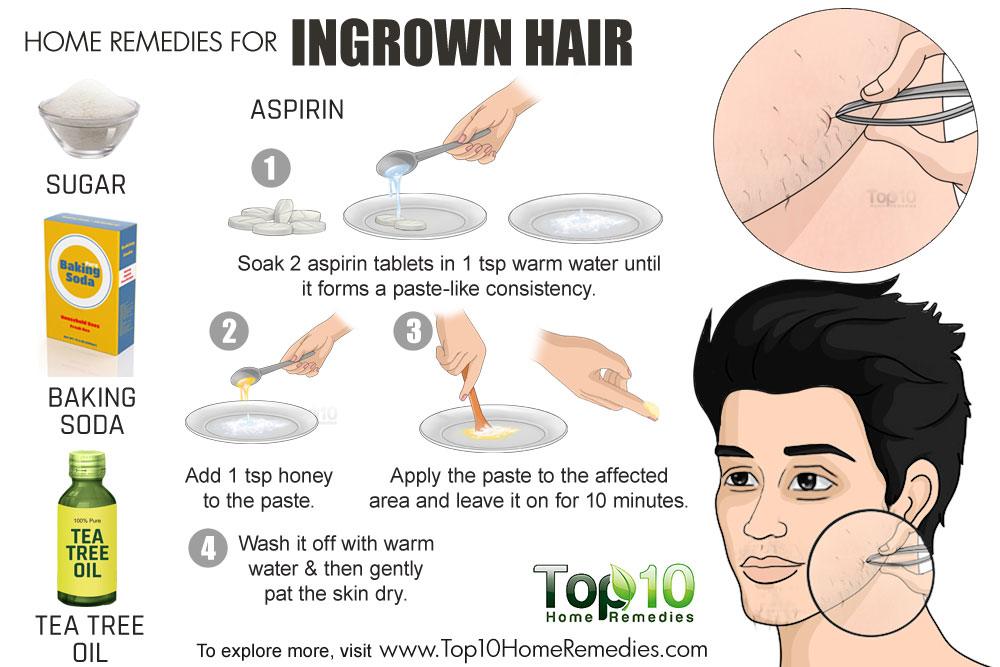
"When a hair reenters or gets trapped under the skin, you end up with an ingrown," says Dr. Devika Icecreamwala, a dermatologist in Berkeley, CA. If you have particularly angry bumps, your doctor may also suggest a steroid cream to reduce inflammation, the Mayo Clinic says. You can remove ingrown hairs on your own, but it's typically best to leave this task to a dermatologist or your primary care physician. "It’s possible to remove visible ingrown hairs with the help of a sterile needle and tweezers," Palm says.

If these at-home remedies aren’t working, step away from the tweezers and call your doctor. A medical professional can treat ingrown hairs and help you prevent them in the future. What if you’ve tried home remedies, and the ingrown hair just won’t go away? The ingrown hair may eventually make its way out of your skin. There are also situations where the hair will continue growing under your skin. In this case, Dr. Bullard suggests seeing a dermatologist.
When you can see the free end of the hair, slowly pull it until it sticks out of the skin. Avoid digging the hair out, as this can lead to an infection. After the hair has been pulled out, avoid picking at it again for 24 hours. To help keep the hair soft, soak it with a warm compress every 2 hours.
Yes, even like popping acne, there is a risk in removing ingrown hairs by yourself. If done incorrectly, your skin may become infected or scarred. In fact, doctors often suggest that individuals avoid removing ingrown hairs, especially since they often clear up on their own. Additionally, change out your razor regularly to avoid infection and friction on the skin. An old or low-quality razor will lead to cuts, which can lead to infection and ingrown hairs.
If an infection develops and worsens, you may need medical treatment. Never pick or pop an infected ingrown hair, as this also increases the risk of complications. Keep reading to learn how to recognize an infected ingrown hair, as well as tips for treating and preventing them. This will help to eliminate the blockages from deep beneath the skin’s surface. Salicylic acid also makes the skin more penetrable which means that, in future, hair follicles will be able to push through.
A hair becomes ingrown if it grows back into your skin while being outside of its hair follicle. The curlier the hair, the more likely it is to become ingrown. A hair can curve back into your skin as it grows out and become trapped under your skin.
Man left in coma and given 4% chance of survival after pulling out ingrown hair - LADbible
Man left in coma and given 4% chance of survival after pulling out ingrown hair.
Posted: Fri, 22 Mar 2024 07:00:00 GMT [source]
So, wearing tight clothing such as leggings and jeans can contribute. Waxing, plucking and threading hair can also lead to ingrown hairs. The Well is Northwell Health’s commitment to the future of health care. The site connects with consumers to provide them with personalized content that reduces their stress, makes them laugh, and ultimately feel more confident and capable on their healthcare journey.
Technology in this area has come a long way, and doctors today have access to lasers that can treat all skin types. "It is highly effective and less painful, and most importantly safe on darker skin tones, which is ever so important in our changing demographics in the U.S.," Palm says. If you continue having infected ingrown hairs in the same area, such as your face, you might consider other methods of hair removal, such as laser treatment.
You can then carefully remove the hair with tweezers (see below). If you have an ingrown hair on your leg, face or anywhere else, I’m sure you want it gone fast. Let’s talk about how to get rid of ingrown hair naturally. Razors that do not glide smoothly can catch and pull hairs, and ingrown hairs can result. A razor that catches can also cause small nicks and cuts, which can become infected. Also, gentle exfoliation is sometimes enough to pull ingrown hairs up and outside the skin, where they can grow correctly.