Table Of Content
- How to Make Knife Handles: A Step-by-Step Guide
- Shaping and Polishing Bone and Horn Handles
- Steps
- Breathing new life into all blade types to restore your treasures to their original, best-loved condition
- Finishing Touches
- Textured Custom Door Handles: Hand Forged By Master Blacksmiths – HH2567
- Why are Handles for Knives Important?
- Hand Size
It did, but it also added some extra time for making sure everything fit the way it was supposed to. You are quite correct that handle material type and the finish applied to it can affect the usability of the knife. Unfortunately, we are often limited by the customer's choice of materials and/or the cost of additional work to the handle to make it less slippery.
How to Make Knife Handles: A Step-by-Step Guide
These materials remained popular as humans transitioned to bronze and then steel, and you still see them used frequently on custom, and some production, knives today. I’m lumping bone, antler, and horn together on this one, basically representing any natural material as harvested from animals. You could probably include ivory here, too, although it’s not especially common these days due to its price, rarity, and restrictions. In terms of quality, you should always aim to be sourcing products that fulfil the criteria for a good knife handle as discussed in this article. Typically a wa knife handle will be shaped octagonally, in a ‘D’ shape or a shield shape. Japanese wa handle knives are known for their spare, angular elegance of design and are generally lighter than Western style handles.
Shaping and Polishing Bone and Horn Handles
Oval handles are better since they index the edge to the grip and deliver the ability to apply twisting force. The hilt design will differ relying on the effect you want to achieve with the knife. A handle should be tailored to match with the function and anatomy of your palm.
Steps
Backed by a lifetime warranty, the Cryo unequivocally offers some of the best bang for your buck of any knife currently on the market, as well. Micarta must be sanded to have a smooth surface and a secure grip. For optimal results, start with rougher grits of sandpaper and work your way up to finer grits. If you’re happy with the smooth handle, polish it for a more excellent appearance. A soft cloth and a buffing wheel or polishing compound should be used for this process. You can be creative and ensure your handle is comfortable and ergonomically sound.
Breathing new life into all blade types to restore your treasures to their original, best-loved condition
The stabilized wood knife handle is more substantial than the original wood handle. It minimizes or eliminates warping, cracking and other issues that can occur with wood when used under extreme circumstances. Micarta, G10, and a wide range of natural woods are sure to please. Step it up with Giraffe bone, Kudu horn, and other exotic materials to make a knife that is uniquely yours. Let your imagination guide you in creating your handle and dress it up with our wide range of mosaic pins, corby rivets, tubes, and screws to fasten the handle to your blade. If your knife blade has a full tang, which means the metal extends throughout the length of the handle, you can use pins or rivets for a secure attachment.


Nick take pride in educating every one of our dealers and customers alike. This means full transparency, and correct information explained by our in house architects and engineers. This allows the facts about how each product is made to be evaluated with no sales hype. Throughout the entire process, exercise caution and prioritize safety. Wear protective gear, work in a well-ventilated area, and use tools with care.
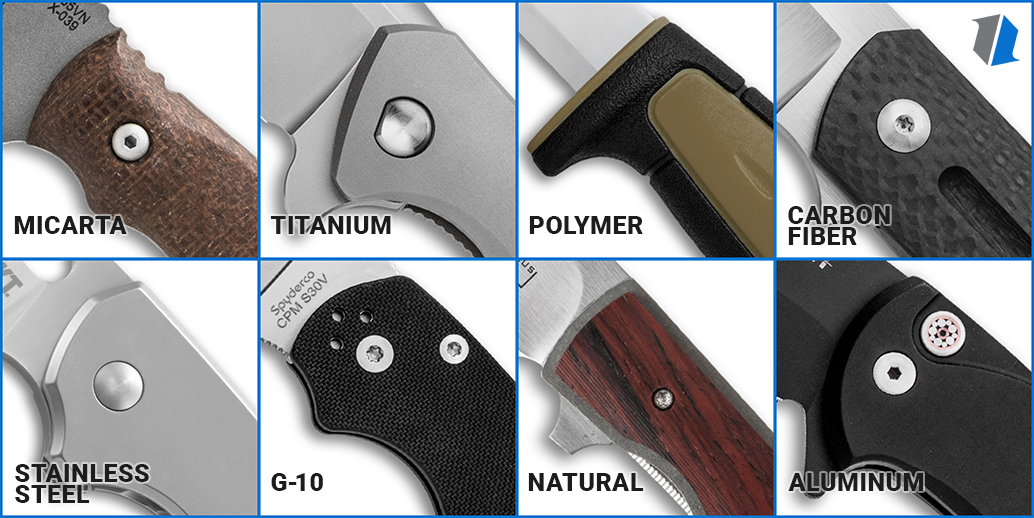
And an increase in moisture also means an increased likelihood of rust and corrosion, but that is easily mitigated, as we stated. The three most common varieties of metal used to construct knife handles are aluminum, stainless steel, and titanium. These materials can be natural, metal, synthetic, or hybrid and each with own set of properties. Read on to find the 10 most common knife handle types and materials. Typically, you’ll see animal bone handles in fixed blade knives, but the material can be incorporated into folding pocket knives, as well.
Why are Handles for Knives Important?
How are hunting knives made? - Daily American Online
How are hunting knives made?.
Posted: Tue, 23 Jan 2024 08:00:00 GMT [source]
It's sloppy for heavy-duty usage, and it’s spongy which affects bone steadiness and makes it an easy target for cracking and deformation. For synthetic handle materials, such as G-10 or Micarta, you can use epoxy resin to achieve a durable and glossy finish. Mix the epoxy according to the instructions and apply it evenly to the handle. Allow it to cure completely before sanding lightly and applying additional coats if desired. Investigating synthetic materials for knife handles brings you a world of design, pattern, and color options.
Hand Size
These objects, which range from deer antlers to cow bones, have a distinctive, rustic charm. Bone and horn have aesthetic appeal but may shrink and deform with time and exposure to high temperatures. As a result, the aesthetics and quality of knives with these handles are often more valued than their use. The balance was right at the guard afterwards and it did look good. A great deal of attention is given to making a quality knife blade (forging, heat-treating, edge geometry), but not so much on how to make a good knife handle. The truth is, that no matter how good a blade is, the knife is nearly worthless if the handle is not suitable for the purpose that the knife is intended for.
Synthetic handles are a fantastic alternative for individuals who value function above appearance. When designing a new handle shape, I will grind the handle out of a pine board and test how it feels in my hand. Once I have settled on a shape for the handle, I will build a knife with it and go test it. If the handle shape is complicated and has contours that were shaped with different sizes of round wheels, I write on the pine handle the size of wheel that was used for each contour.
“Carbon fiber” is a generic term for any material made by weaving together strands of carbon which are then set into a resin. Usually, that isn’t a problem, as any knife maker or brand worth their mettle isn’t going to peddle anything with discount carbon fiber. But, if you see a knife with a carbon fiber handle and the price seems too good to be true, it probably is. Typically, carbon fiber is extremely lightweight, is completely impervious to rust and corrosion (it’s non-metallic), and will be stronger than stainless or carbon steel. It also has a tendency to be rather brittle, not terribly resistant to impact, and on the more expensive side of the spectrum.
These materials provide distinctive opportunities for personalization and practicality, whether you like the high-tech allure of carbon fiber or the artistic possibilities of acrylics. Micarta is a durable and dependable alternative for knife handles, a composite material created from layers of cloth soaked in resin. It has a superb grip even in damp situations and can withstand heat and wetness. Although it lacks wood’s organic appearance, chefs and outdoor lovers choose it because of its longevity and low maintenance requirements.